Chapter 2: The Emergency Bank Account
I officially became my family’s emergency ATM somewhere around my twenty-eighth birthday.
There was no formal job offer. No sit-down conversation. It just seeped into my reality like groundwater in a basement.
It started when my father, Richard, fell significantly behind on his mortgage. He called me, his voice thick with manufactured shame, hinting that the bank was threatening foreclosure. I drained my modest savings and covered nine thousand, six hundred dollars in payments over a grueling six-month period.
The following summer, their central air conditioner catastrophically failed during a brutal Florida heatwave. I didn’t hesitate. I swiped my credit card for a three-thousand-two-hundred-dollar emergency repair.
My mother, Diane, thanked me with a brief, stiff hug that felt more like a contractual obligation than maternal affection.
Two days after I paid that HVAC bill, Diane posted a glowing photograph of Britney on social media. They were smiling at a brunch I wasn’t invited to. The caption read: “So incredibly proud of my beautiful daughter. She is the true heart of this family.”
I sat in my cramped employee breakroom, staring at the glowing screen of my phone, a bitter pill dissolving in my throat. Britney had two children, Noah and Sophie. I loved my nephew and niece fiercely. But somehow, the universe had decided that Britney being a single mother made her a tragic heroine deserving of endless community support, while me being a single mother made me a beast of burden responsible for providing it.
I bought Noah’s school supplies. I funded Sophie’s gymnastics classes. I paid for extravagant Christmas presents whenever Diane sighed heavily over the phone and whispered that poor Britney was “just struggling so much this quarter.”
Meanwhile, my own daughter wore a faded winter coat two sizes too small because I was siphoning my discretionary income to keep my parents afloat.
The Disney trip was supposed to be my grand, definitive olive branch. It was supposed to rewrite our fractured dynamic.
Last March, I sat down with my close friend Melissa, an elite travel coordinator I frequently collaborated with at the hotel. Together, we crafted a masterpiece of a vacation. I booked five nights at a premium, immersive Orlando resort. I secured park hopper tickets, VIP dining packages, and character breakfasts.
The grand total hovered at exactly $8,740.
I booked it for Diane, Richard, Britney, Noah, Sophie, and my Ellie. Because of my grueling operations schedule, I couldn’t take the entire week off, but I cleared my calendar to join them on Thursday for one magical, uninterrupted family day.
I placed the entire itinerary under my master booking account, listing each traveler individually. I wanted Ellie to finally experience the kind of sprawling, chaotic, joyous family vacation she had spent years watching her cousins enjoy from the sidelines.
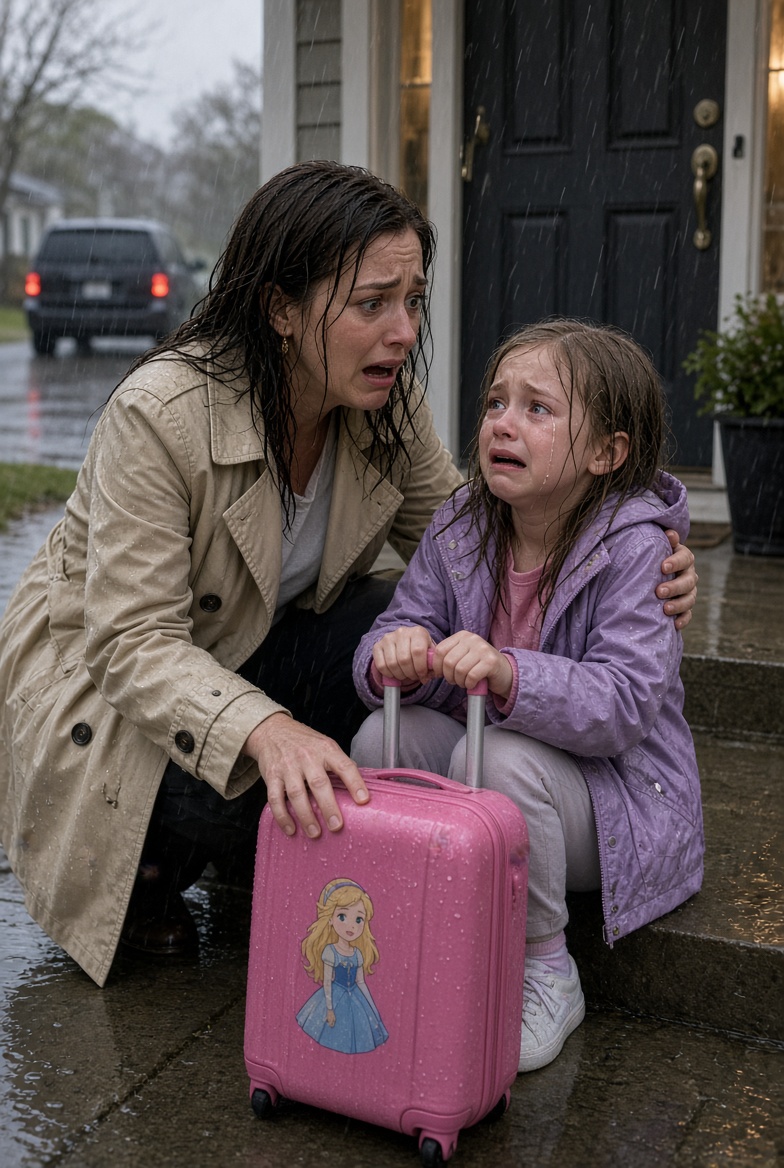
Every single evening for two months, Ellie would take a red marker and aggressively cross off another square on our little kitchen calendar. Three days before departure, she dragged her pink Disney suitcase into the living room and began packing. She meticulously folded two princess dresses, tucked her worn velvet rabbit into the corner, and placed a handmade card constructed of construction paper and glitter on top.
In wobbly, oversized crayon letters, the front read: “Thank you for taking me Grandma.”
I watched her pack, my heart swelling with a naive, desperate pride. I didn’t know then that the very people she was making that card for had already convened in secret, looked at the itinerary, and decided she was excess baggage.
And the most sickening part? They were perfectly content to let me continue funding the expedition.