
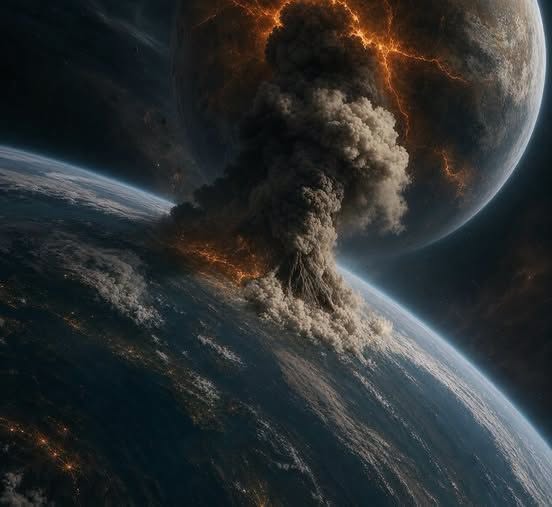
The asteroid will miss, but the comfort is fragile. We exhale, scroll past the headline, and return to our smaller worries. Yet somewhere in that silent flyby is a question we keep postponing. Not “Will this one hit?” but “What happens when one does?” Because the universe doesn’t negotiat…
We are living in a rare moment in cosmic history: a species capable of understanding that rocks in the dark can erase cities, and equally capable of doing something before they arrive. That power is quiet. It looks like survey telescopes, supercomputers, test missions like DART, and scientists arguing over probabilities decades in the future. It looks like budgets approved when nothing dramatic is happening.
Asteroids like 1998 OR2 are not omens; they are rehearsals. Each harmless passage is a chance to refine detection, stress‑test communication, and practice global cooperation before fear distorts every decision. If we use these calm years well, a future impact threat could become an engineering challenge instead of an extinction event. The asteroid’s indifference is absolute. Our response doesn’t have to be. Our real defense is not heroism at the last second, but the discipline to prepare while the sky is still quiet.