
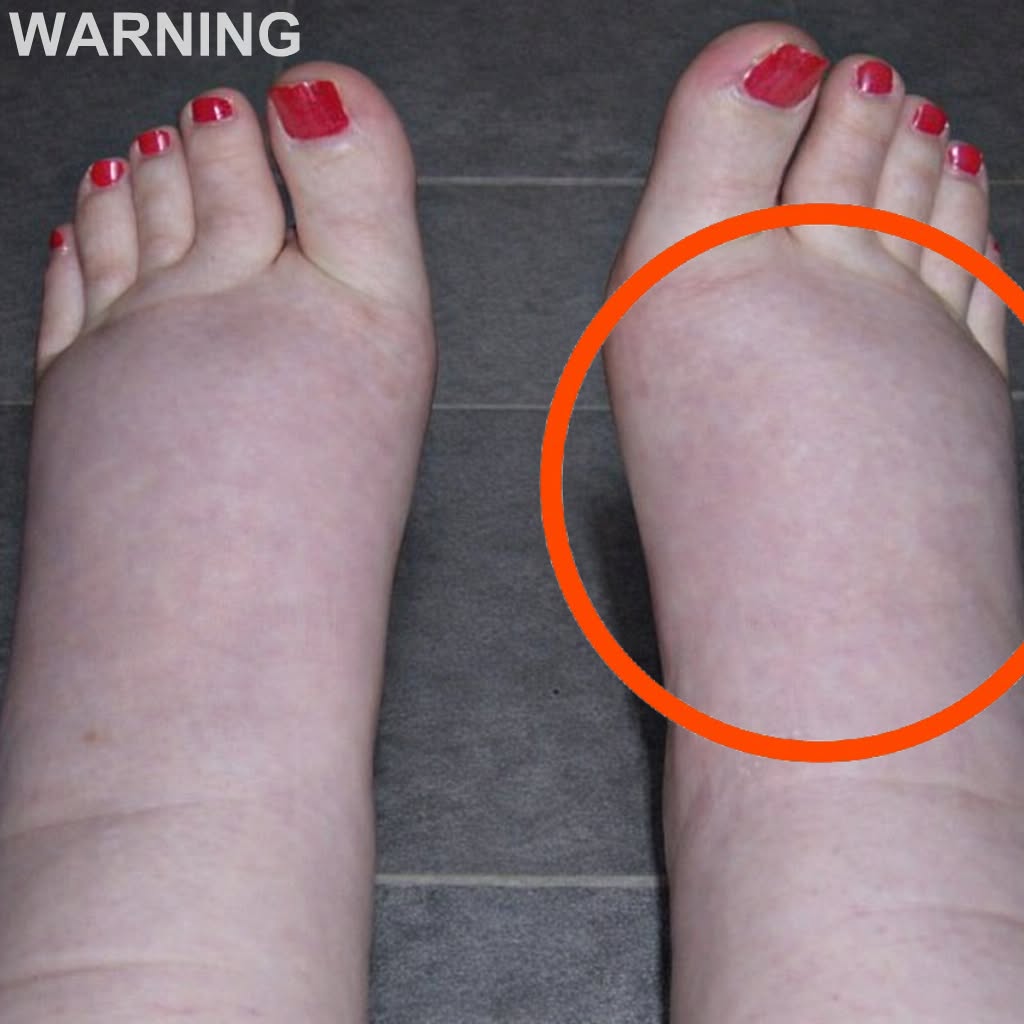
Have you ever woken up, stepped out of bed, and felt that your feet or ankles didn’t quite look or feel like they did when you went to sleep? Many people occasionally notice a little puffiness in their lower extremities, and while it is often a benign result of daily activity, certain patterns warrant a closer look. Understanding why swelling occurs, and more importantly, when it becomes a sign that your body needs attention, is a vital part of personal health literacy.
Edema, the medical term for fluid retention, is the primary driver behind localized swelling. The feet and ankles are the most common sites for this because, quite simply, gravity is constantly working against us. Throughout the day, as we stand or sit, fluid naturally accumulates in the lower parts of the body. In a healthy system, this fluid is managed by the lymphatic system and venous return. However, if that system is overwhelmed or hindered, the fluid pools, leading to that tight, puffy sensation.
In many cases, the cause is lifestyle-oriented. A diet excessively high in sodium can lead the body to hold onto extra water. Similarly, prolonged periods of standing, sitting for long stretches—such as on a flight or a long car ride—or even wearing restrictive footwear can impede circulation. When swelling is caused by these external factors, it is typically transient; it resolves after you move around, elevate your legs, or normalize your sodium intake. If the puffiness is uniform, soft to the touch, and disappears with simple rest, it is rarely a cause for immediate alarm.
However, it is crucial to recognize the distinction between temporary puffiness and chronic edema. The narrative shifts when the swelling is asymmetrical—meaning one foot or ankle is significantly more swollen than the other. Unilateral swelling, especially if it is accompanied by localized redness, warmth, or sudden pain, is a distinct signal that the issue is not just about gravity or diet. These symptoms require objective evaluation, as they can sometimes indicate underlying circulatory issues that necessitate a professional clinical assessment.
Furthermore, persistent swelling that does not fluctuate with activity levels or time of day should be taken seriously. If you notice that your skin remains indented after you press on it—a condition known as pitting edema—it is a sign that there is significant fluid volume beneath the surface. When chronic swelling is paired with other systemic symptoms, such as unexplained shortness of breath, sudden fatigue, or chest discomfort, it acts as a red flag that your body’s cardiovascular or renal systems may be struggling to maintain equilibrium.
The takeaway here is not meant to induce anxiety, but rather to encourage observant self-care. Your feet are the foundation of your mobility, and they are excellent indicators of your overall systemic health. While an occasional bit of extra puffiness after a long, hot day might be inconsequential, consistent changes in your body composition should never be dismissed. Paying attention to these subtle signals allows you to catch potential issues early. If you are ever in doubt, or if you notice that the swelling has become a constant companion rather than an occasional inconvenience, reach out to a healthcare provider. They can help you determine if your condition is a simple lifestyle byproduct or a symptom requiring a targeted intervention.