
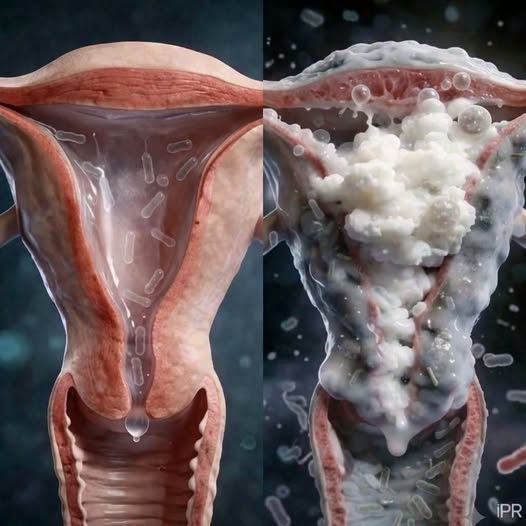
You may feel as though you know every habit your partner has. You recognize the way he leaves his shoes by the door, forgets to replace the toothpaste cap, skips the occasional shower after a long day, or insists he is perfectly healthy despite never visiting a doctor. These routines often seem harmless—just ordinary quirks that become part of everyday life together. But sometimes the smallest habits can have consequences that extend beyond simple inconvenience. Certain everyday behaviors, especially those related to hygiene, general health, and communication, can influence not only his own well-being but yours as well. What looks like a minor issue today can slowly contribute to recurring discomfort, frustration, or unnecessary health concerns if it is never addressed. Recognizing those patterns isn’t about criticizing your partner; it’s about understanding that shared health begins with shared responsibility.
The truth is that intimate well-being is rarely disrupted by one dramatic event. Much more often, it is shaped by dozens of small daily choices that accumulate over weeks, months, and years. Personal hygiene, nutrition, stress management, sleep habits, and willingness to seek medical advice all contribute to overall health, and because intimate relationships involve close physical contact, those choices can affect both partners. Many couples assume that if there were a significant problem, obvious symptoms would immediately appear. In reality, some issues develop gradually, making them easier to ignore until they begin affecting comfort, confidence, or quality of life. By the time someone realizes something has changed, the underlying habits may have been present for a long time.
One of the most overlooked areas is simple personal hygiene. It may sound too obvious to deserve attention, yet healthcare professionals consistently emphasize that regular bathing, clean clothing, proper handwashing, and basic grooming remain important for reducing unnecessary exposure to bacteria and skin irritants. Life gets busy, people work long hours, exercise regularly, or simply become exhausted after demanding days. Skipping a shower once in a while or delaying laundry occasionally is understandable. However, when poor hygiene becomes routine rather than the exception, it can increase the likelihood of skin irritation, unpleasant odors, and, in some cases, contribute to infections or discomfort for either partner. Maintaining cleanliness isn’t about perfection or appearance—it reflects consideration for both personal health and the person sharing your life.
Clothing choices can play a role as well. Sweaty gym clothes left unwashed, damp towels reused repeatedly, or underwear that isn’t changed regularly can create environments where bacteria and fungi thrive. These issues are often preventable through simple habits that require only a little consistency. While many people dismiss these details as insignificant, good hygiene practices remain one of the easiest ways couples can help protect each other’s comfort and overall well-being.